


The Pro’s Playbook: A Damage-Free Guide to Moving Your Heavy Furniture

That sinking feeling when a heavy sofa scrapes against a doorframe is something every homeowner dreads. Moving large, bulky furniture is one of the most challenging parts of any relocation. It’s not just about the risk of dropping a priceless antique; it’s about protecting the home itself from scuffs, scratches, and dents. How do professional furniture movers make it look so easy, navigating tight corners and steep stairs without leaving a trace? It isn’t magic, and it’s certainly not just brute force. It’s a combination of the right tools, meticulous preparation, and expert technique. In this guide, we’ll pull back the curtain on how pros move heavy furniture with safety and precision.
Insight from Our Team:
“Remember, protecting your belongings is only half the battle. You also need to safeguard your floors, walls, and door frames to ensure they’re left undamaged when the move is complete.”
Chris Ortiz – Moving Logistics Coordinator
The Science of the Lift: Using Leverage, Not Just Strength
Have you ever tried to lift a heavy dresser with a friend, only to find it unwieldy and dangerously unstable? There’s a smarter way to approach this challenge that doesn’t require professional-level strength or risking your back. By using simple physics and the right tools, you can transform a risky lift into a controlled, manageable task.
It’s about working smarter, not harder. Here are essential tools that can make your next move much easier:
Lifting Straps
These heavy-duty straps loop around furniture and over your shoulders or forearms, allowing you to use your body’s strongest muscle groups—your core and legs—rather than relying solely on arm strength and grip. This redistribution of weight makes heavy items more manageable and gives you better control when maneuvering through tight doorways or up staircases. You can find affordable lifting straps at most hardware stores or online.
Furniture Dollies
A four-wheel furniture dolly is a game-changer for moving large pieces across flat surfaces. By rolling a heavy armoire or sofa instead of carrying it, you’ll save tremendous energy and protect your floors from scratches and scuffs. The key is ensuring the item is properly centered and secured on the dolly before you start rolling.
Furniture Sliders
These inexpensive plastic or felt discs slide under furniture legs, allowing you to glide heavy pieces across carpet or hardwood without lifting at all. Simply tilt the furniture slightly, place a slider under each leg or corner, and push. This method is perfect for repositioning bookcases, dressers, or beds within a room without damaging your flooring or straining your back.
Your Home’s Armor: The Art of Proactive Protection
Successfully moving heavy furniture isn’t just about protecting the item being moved; it’s about leaving your home in the exact condition it started. This is where many DIY movers make critical mistakes. Walls, floors, and doorframes are just as vulnerable as the furniture itself. That’s why a significant portion of your preparation should happen before a single heavy item is lifted.
This preparation is non-negotiable. It might add time to your project, but the results are worth it. Your property protection process should include:
- Floor Runners: Lay down durable, non-slip runners or cardboard along all major walkways. These create a protective path for dollies and foot traffic, shielding your floors from dirt, debris, and potential scratches. You can purchase inexpensive plastic runners at most home improvement stores.
- Door Jamb Protectors: Doorways are high-risk areas for bumps and scrapes. Apply padded protectors or even folded towels secured with painter’s tape to the frames, creating a cushioned barrier that absorbs any accidental impact.
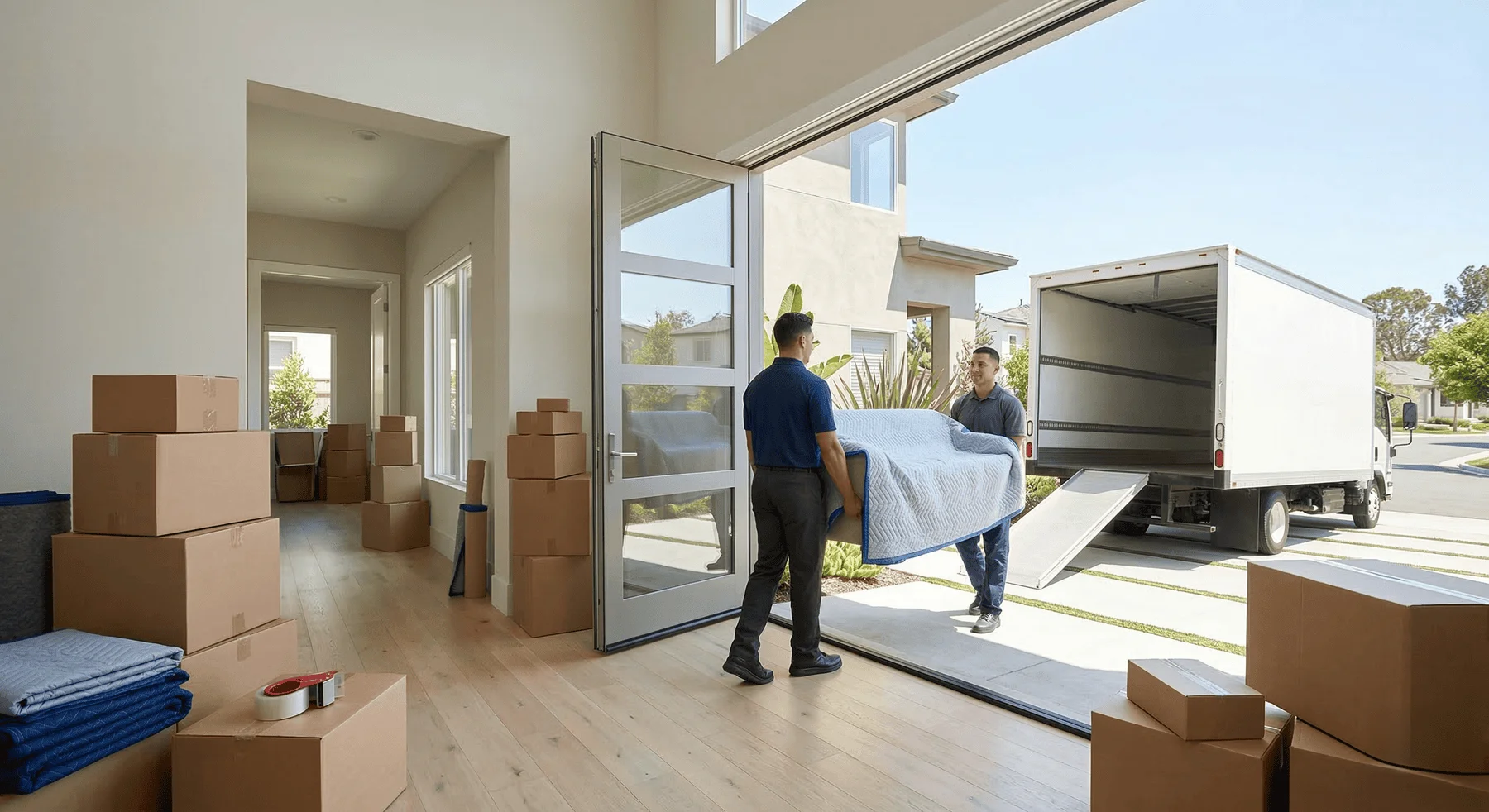
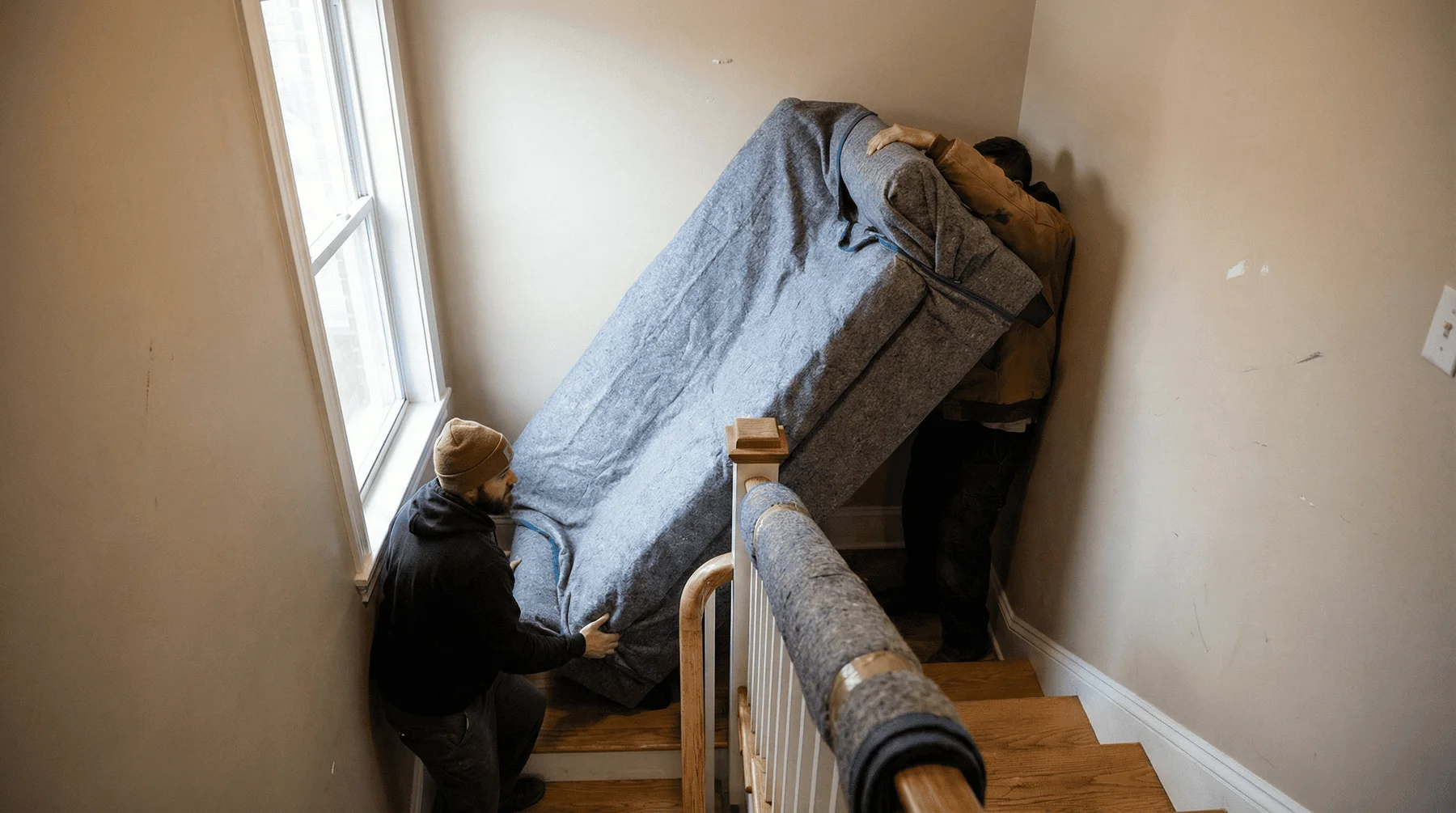
- Padded Moving Blankets: Wrap every piece of furniture in thick moving blankets or old comforters. This provides a soft, protective layer that prevents scratches on wood finishes and tears in upholstery. Use them to pad railings, corners, and other architectural features along your moving path as well.
This meticulous approach is especially crucial in the diverse homes of Western Washington, from hillside properties in Gig Harbor to the narrow stairwells of historic Seattle apartments.
Strategy and Planning: More Than Just Brute Force
What happens when a piece is simply too large to fit through a doorway? Or when your path involves a tricky 90-degree turn at the bottom of a staircase? This is where strategic thinking and careful planning become essential.
Dismantling for Safe Passage
Sometimes, the safest way to move a large item is to make it smaller. Take the time to dismantle items like bed frames, large dining tables, or modular sectionals before attempting to move them. Keep all hardware organized in labeled bags, ensuring that the piece can be perfectly reassembled in its new location. This foresight prevents forcing an item through a space it won’t fit, which is a primary cause of damage to both furniture and your home.
The Power of Clear Communication
If you’re moving furniture with friends or family, communication is everything. Designate one person as the lead to call out instructions and guide the team through tight spots: “Lift on three,” “Tilt back,” “Watch the corner.” This coordinated effort ensures everyone is working together, anticipating the next move, and keeping the item stable and under control at all times. Never assume everyone knows the plan; talk through each step before you lift.
Moving Heavy Furniture FAQ’s
What is the safest way to lift heavy furniture?
The safest method is to use lifting straps and proper body mechanics. Straps distribute weight to your legs and core instead of your arms and back, improving control and reducing injury risk. Furniture should also be tilted and lifted in coordination with a partner rather than carried unevenly.
How do you protect floors and walls when moving furniture?
Professionals lay down floor runners or cardboard along walkways and pad door frames, railings, and corners before moving begins. Furniture is wrapped in thick moving blankets to prevent scratches, and careful planning ensures items don’t scrape surfaces while passing through tight spaces.
Should furniture be disassembled before moving?
Yes. Large items like bed frames, tables, and sectional sofas should be dismantled whenever possible. Breaking furniture into smaller pieces prevents forcing it through doorways or staircases, which is one of the most common causes of both furniture and property damage.
What tools make moving heavy furniture easier?
Furniture dollies allow items to roll instead of being carried, sliders help glide furniture across floors without lifting, and lifting straps provide better leverage and control. Using the right tools reduces strain and greatly lowers the chance of damage.
When should you hire professional movers for heavy furniture?
You should hire professionals when items are extremely heavy, valuable, difficult to maneuver through stairs or tight hallways, or when there is a high risk of property damage. Professional movers have the equipment, experience, and coordinated handling techniques to move large pieces safely.
Conclusion
Moving heavy furniture without damage is a learnable skill rooted in preparation, smart planning, and the right techniques. It’s about leveraging simple tools to make lifting safer, meticulously protecting your home environment before the move begins, and using smart strategies like dismantling and clear communication to overcome challenges. By prioritizing safety and care over speed, you can successfully move your most valuable possessions while protecting the home you love.
Know When to Call for Help
While these techniques can help you tackle many furniture-moving challenges, some situations call for professional expertise, especially when dealing with extremely heavy items, valuable antiques, or complex moves involving stairs. If you’re in Kitsap County, Seattle, or the surrounding areas and need assistance, don’t hesitate to reach out. Sometimes the smartest move is knowing when to ask for help. Contact us today for a consultation and let us handle the heavy lifting.


Get a Quick Quote
Ready to schedule your move? Fill out this form to get a quick moving quote:
Moving Resources
Why Local Moves Fail (and How to Avoid the Same Mistakes)
Local Moving Checklist: 10 Things to Do Before Moving Day
How to Move Furniture Through Tight Spaces, Stairs, and Corners Without Damage
How to Spot Red Flags in a Full-Service Moving Quote
The Pro’s Playbook: A Damage-Free Guide to Moving Your Heavy Furniture
The Professional Approach to Piano Moving
The Most Overlooked Services Full-Service Movers Can Handle
Real Costs of a Full-Service Move: Where Your Money Actually Goes
How to Prepare for a Full-Service Move: The Ultimate Guide to a Flawless Relocation
Pro Moving Services
Serving Western Washington Local Moves
- Kitsap County
- Allyn
- Bainbridge Island
- Belfair
- Bremerton
- Brownsville
- Edmonds
- Gig Harbor
- Gorst
- Grapeview
- Hansville
- Holly
- Indianola
- Keyport
- Kingston
- Port Angeles
- Port Gamble
- Port Ludlow
- Port Orchard
- Port Townsend
- Poulsbo
- Seabeck
- Shelton
- Silverdale
- Southworth
- Sequim
- Suquamish
- Tacoma
- Tracyton
- Union
- Seattle