


Why Local Moves Fail (and How to Avoid the Same Mistakes)
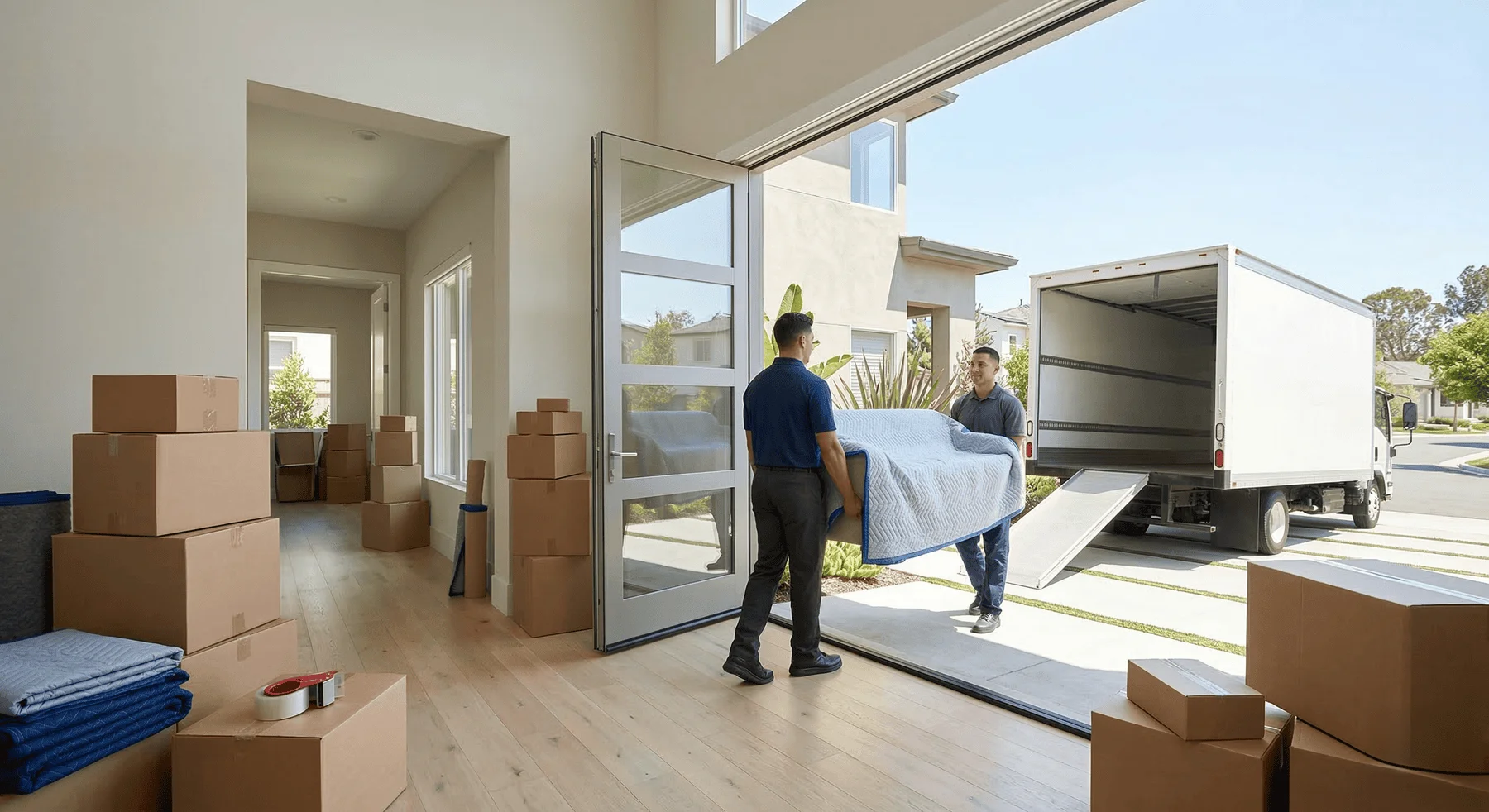
A move across town or just to the next neighborhood seems simple, right? The short distance can be deceptive, leading many to believe it will be a quick, easy task. But the truth is, most moving day disasters have little to do with mileage and everything to do with planning. A local move from Bremerton to Bainbridge Island can become just as stressful as a cross-country trek if the right steps aren’t taken. These preventable mistakes are the top reasons local moves go over budget, behind schedule, and off the rails. Here’s how you can avoid them.
The Deceptive Speed of a Local Move
One of the most common pitfalls is underestimating how much time the entire process actually takes. A “quick few hours” can easily stretch into a full, exhausting day when you don’t account for every aspect of the move. People often overlook the time required to disassemble furniture, navigate Highway 16 traffic, wait for a specific ferry sailing, or make multiple trips up and down apartment stairs.
This rush leads to mistakes, damaged items, and unnecessary stress. A professional moving team avoids this by building a realistic timeline from the start. With experience moving throughout Kitsap and King Counties, they understand local traffic patterns, building-specific challenges, and how long each step truly takes. They build in a buffer to ensure unexpected delays don’t derail the entire day.
How to Avoid This Mistake
Build a Realistic Timeline
Map out every step of your move in writing before the day arrives, including disassembly, loading, transit, and unloading. Most people underestimate each phase by at least 30 minutes. Add a buffer. Assume something will run long and pad your schedule by 2–3 hours. Don’t book cleaners, utility shut-offs, or final walkthroughs immediately after the move.
Plan Around Local Variables
Check ferry schedules and traffic patterns on your route in advance. A midweek, mid-morning move can save hours compared to a weekend afternoon.
Insight from Our Team:
“Timing a local move isn’t just about picking a date; it’s about picking the right time. Start too early, and you’re stuck in rush hour. Start too late, and you’re hauling furniture in the dark. Book your movers while another contractor is still there, and your whole day unravels. The clock is your biggest friend or your worst enemy on moving day.”
Chris Ortiz – Moving Logistics Coordinator
The Unfinished Symphony of Boxes
Arriving on moving day with packing still in progress is the single biggest cause of delays. When boxes aren’t sealed and ready, the entire process grinds to a halt. Movers are forced to wait, which increases your costs, or they must pack hastily. This rush results in poorly packed boxes, misplaced items, and a significantly higher risk of damage to your fragile belongings.
Moving day should be for moving, not for last-minute packing. Having everything boxed, sealed, and labeled the night before is non-negotiable for a smooth experience. This allows the moving crew to work efficiently and methodically, protect your belongings, and adhere to the schedule.
How to Avoid This Mistake
Set a Packing Deadline of the Night Before
Treat the evening before your move as a hard cutoff. Every box should be sealed, taped, and labeled before you go to sleep. Nothing should remain loose or unpacked on moving day.
Work Room by Room With a Checklist
Don’t pack at random. Go room by room and check each space off as you finish. This prevents the common problem of “hidden” items in closets or cabinets that get overlooked until the truck is already loaded.
Start Earlier Than You Think You Need To
Packing almost always takes longer than expected. Begin at least a week out for a standard home, starting with items you use least. Leave only daily essentials for the final day.
The Battle for Access and Parking
Have you considered where the moving truck will park? A long walk from the truck to your front door can double or even triple the loading time. This is a massive hidden cost in local moving. Common access problems include a lack of reserved parking, unexpected gate codes, tight stairwells, or unreserved elevators in a busy Seattle high-rise.
These logistical hurdles can bring a move to a standstill. A professional team anticipates these issues. During the estimation process, they assess the access points at both locations. They know to ask about elevator reservations, inquire about steep driveways, and can help secure any necessary parking permits from the city.
How to Avoid This Mistake
Scout Both Locations Before Moving Day
Visit your current home and your destination with fresh eyes. Note where a large truck can realistically park, how wide the hallways are, and whether any doorways or turns could create problems.
Reserve Elevators and Parking in Advance
If you live in an apartment or condo, contact building management at least a week ahead to reserve the service elevator and any loading zones. Don’t assume they’ll be available.
Apply for Parking Permits if Needed
Many cities and municipalities require a permit to park a moving truck on a residential street. Check with your local city office ahead of time so you’re not scrambling on the day of the move.
The “Stuff” Multiplier Effect
Almost everyone underestimates the sheer volume of their belongings. The items in your garage, storage unit, and closets add up quickly. This miscalculation leads to a common moving day crisis: the truck is full, but the house isn’t empty. This results in unplanned second trips, which significantly increase the time and cost of your move.
An experienced mover helps you avoid this by conducting a thorough inventory. By walking through your home room by room, including outdoor spaces and storage areas, they can accurately estimate the truck size and crew needed for the job. This detailed approach ensures that everything fits in a single, efficient trip.
How to Avoid This Mistake
Do a Full Home Inventory Before You Book
Walk through every room, including the garage, attic, storage unit, and outdoor spaces, and write down what needs to be moved. Most people forget about at least one of these areas entirely.
Be Honest About Your Volume When Getting Quotes
When booking a truck or crew, share your full inventory. Underselling your volume to save money upfront almost always costs more on the day when a second trip becomes necessary.
Declutter Before You Pack
Moving is the best time to get rid of things you no longer need. Donate, sell, or discard items before packing begins. Fewer items mean a faster, cheaper, and less stressful move.
Conclusion
A successful local move is not measured in miles but in minutes saved through smart preparation. Most moving day disasters are not random acts of bad luck; they are the direct result of poor timing, incomplete packing, overlooked logistics, and underestimated volume. Each of these issues is entirely preventable with a strategic plan. By treating a short-distance move with the same respect and planning as a long-haul relocation, you set the stage for a smooth, stress-free day.
Local Move FAQs
Why do so many local moves take longer than expected?
Most local moves run over schedule because homeowners underestimate loading time, building access issues, and travel delays. Factors like staircases, ferry schedules, elevator reservations, and long parking distances can add hours to what seems like a short move across town.
What can delay a moving truck on a local move?
Common delays include blocked parking, elevator wait times, incomplete packing, and traffic congestion. In areas such as the Puget Sound region, ferry wait times and bridge traffic can also affect schedules if not accounted for in advance.
What happens if everything doesn’t fit on the moving truck?
If the truck fills up before all items are loaded, movers may need to make a second trip or send another vehicle. This adds significant time and cost to the move, which is why professional movers conduct detailed inventories in advance to determine the appropriate truck size.
Do I need to reserve parking for a moving truck?
Yes, in many cities and apartment complexes, parking reservations or permits are required for moving trucks. Without a designated space near the entrance, movers may have to park farther away, significantly increasing loading time and moving costs.
How do professional movers prevent moving day disasters?
Experienced moving companies prevent problems through pre-move planning, detailed inventories, access assessments, and realistic scheduling. By identifying potential obstacles, like parking restrictions, ferry schedules, or stair access, before moving day, they ensure the move stays efficient and on track.
Let Us Handle the Move
Planning a move in the Puget Sound area can feel overwhelming, but it doesn’t have to be. If you want to ensure your local move avoids these common pitfalls, our team is here to help. We can provide a detailed, realistic moving plan that covers everything from ferry schedules to parking permits. Contact us for a free, no-obligation consultation to get started.



Get a Quick Quote
Ready to schedule your move? Fill out this form to get a quick moving quote:
Moving Resources
Why Local Moves Fail (and How to Avoid the Same Mistakes)
Local Moving Checklist: 10 Things to Do Before Moving Day
How to Move Furniture Through Tight Spaces, Stairs, and Corners Without Damage
How to Spot Red Flags in a Full-Service Moving Quote
The Pro’s Playbook: A Damage-Free Guide to Moving Your Heavy Furniture
The Professional Approach to Piano Moving
The Most Overlooked Services Full-Service Movers Can Handle
Real Costs of a Full-Service Move: Where Your Money Actually Goes
How to Prepare for a Full-Service Move: The Ultimate Guide to a Flawless Relocation
Pro Moving Services
Serving Western Washington Local Moves
- Kitsap County
- Allyn
- Bainbridge Island
- Belfair
- Bremerton
- Brownsville
- Edmonds
- Gig Harbor
- Gorst
- Grapeview
- Hansville
- Holly
- Indianola
- Keyport
- Kingston
- Port Angeles
- Port Gamble
- Port Ludlow
- Port Orchard
- Port Townsend
- Poulsbo
- Seabeck
- Shelton
- Silverdale
- Southworth
- Sequim
- Suquamish
- Tacoma
- Tracyton
- Union
- Seattle