


How Much Should You Save Before an Out-of-State Move?
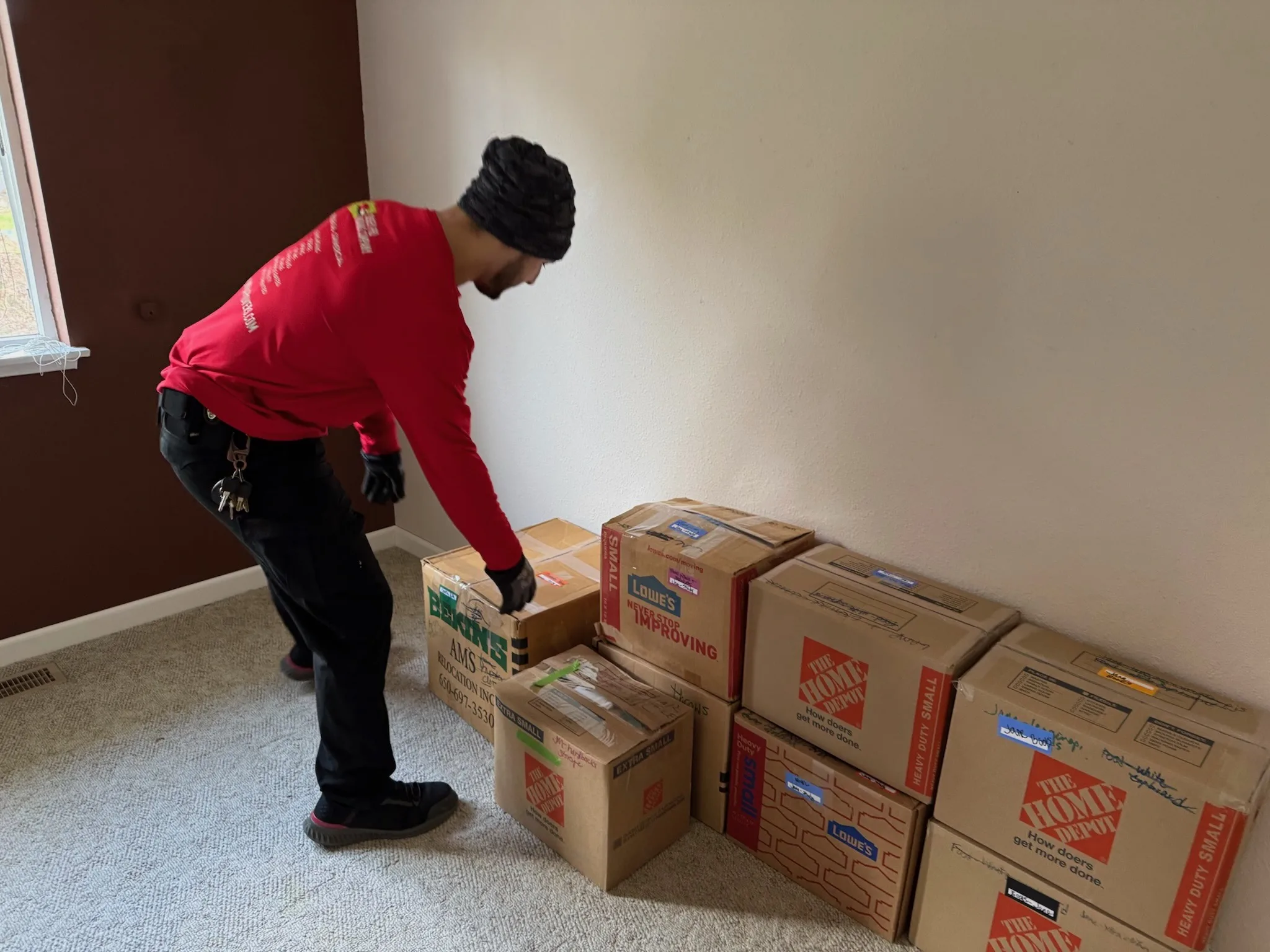
The hardest part of moving out of state usually isn’t the packing. It’s not knowing what it will really cost. Most people budget for the moving company and then get blindsided by everything else. The good news: how much money you need to move out of state becomes clear once you stop treating it as one big figure and start breaking it into parts. This guide walks through every cost bucket, gives you a framework to build your own number, and shows you where to trim without cutting corners. It is written for Bainbridge Island, Poulsbo, and greater Puget Sound residents planning a cross-country move.
Insight from Our Team
“The people who stay calm about the cost are the ones who priced the whole move up front, not just the truck. The surprises are almost always the forgotten things: the deposits, the days off work, the gap before the truck shows up. Plan for those early, and the rest gets a lot less stressful.”
Chris Ortiz, Moving Logistics Coordinator, Suseyi Pro Moving Company
What Actually Goes Into an Out-of-State Moving Budget?
Your total moving cost is made up of several different expenses, not just the price of hiring movers. Many unexpected costs come from items outside the moving company’s services.
- The move itself. Long-distance moves are priced by weight and distance, so the size of your shipment drives the largest single number. It helps to get an estimate for your long-distance move before you plan around a guess.
- Packing materials or professional packing. Boxes, tape, and protective materials add up quickly, and professional packing services can save real time on a tight timeline.
- Specialty items that need crating. Fine art, antiques, and fragile high-value pieces may need specialty crating for high-value items.
- Travel to the new state. Gas or flights, hotels, meals on the road, and pet transport if you have animals.
- Deposits and setup. First and last month rent, utility deposits, and renters insurance at your destination.
- Overlap costs. If your move-out and move-in dates do not line up, you may pay two rents for a stretch, or cover short-term storage through a third-party provider during the gap.
- Forgotten line items. Time off work, cleaning fees at your old place, and tips for the crew.
How Much Should You Realistically Set Aside?
No two moves cost exactly the same. The total depends on factors like the distance, the size of your household, your destination, and the services you need. Instead of trying to guess one all-inclusive number, it helps to break your moving budget into a few manageable categories.
- Start with a binding estimate for the move itself. This is your anchor. It’s the one cost you can lock in before moving day, making it far more reliable than a rough ballpark quote. Requesting a free estimate early in the planning process gives you a solid foundation for the rest of your budget.
- Add realistic estimates for the other buckets. Research the cost of travel, utility deposits, temporary housing if needed, and the basic setup costs for your new home. These expenses vary widely depending on your destination and household size, so it’s better to base them on real estimates than rough guesses.
- Add a contingency cushion on top of the total. Unexpected costs are normal on a long-distance move. The cushion is not pessimism, it is planning.
Starting with a binding estimate makes the budgeting process much more manageable because your biggest expense is no longer an unknown. From there, you can confidently build out the rest of your moving budget.
How to Lower the Cost of an Out-of-State Move
Moving costs aren’t completely out of your control. While factors like distance and shipment size play a major role, there are several practical tips when moving out of state that reduce your total cost without cutting corners or sacrificing a smoother moving experience.
- Declutter before you get a quote. Interstate moves are weight-based, so every item you do not take reduces the cost. Sell, donate, or recycle what you will not use in the new place.
- Choose flexible, mid-month dates. End-of-month and peak-season dates fill up fast and tend to cost more. If your schedule has any give, use it.
- Consider an honest split between DIY and professional help. Pack your own non-fragile items and leave the fragile and specialty pieces to the crew. You save on labor without risking your valuables.
- Get the binding estimate early and ask what is included. Knowing the real anchor number lets you plan everything else, and confirming what is covered means no surprise add-ons on moving day.
Do Not Let a Lowball Quote Blow Your Budget
The cheapest quote can often become the most expensive move. A binding estimate locks your price in writing, while a non-binding estimate can climb well past the figure you were first quoted.
Before choosing a moving company, watch for a few common red flags. Be cautious of companies that require a large deposit upfront, provide quotes without completing an in-home or virtual survey, or operate as brokers that hand your move off to unknown carriers. Whenever possible, choose a licensed mover with its own equipment and verified credentials. Before signing any agreement, confirm the mover’s USDOT number through ProtectYourMove.gov.
Your Out-of-State Moving Budget Worksheet
Fill in your own numbers as you gather quotes. Use this as your running total, and update it as each estimate comes in.
| Cost Bucket | What It Includes | Your Budget |
| Professional movers | Weight and distance-based estimate for the move itself | |
| Packing materials / professional packing | Boxes, materials, and optional professional packing | |
| Specialty crating | Custom crates for fine art, antiques, fragile high-value items | |
| Travel to the new state | Gas or flights, hotels, meals, pet transport | |
| Deposits and setup | First and last month’s rent, utility deposits, renters’ insurance | |
| Overlap costs (double rent/storage) | Two rents during the gap, or third-party short-term storage | |
| Forgotten items (time off, cleaning, tips) | Days off work, cleaning fees, tips for the crew | |
| Contingency buffer | A cushion for the unexpected | |
| Total | Your full out-of-state move budget |
Conclusion
Budgeting for an out-of-state move really comes down to turning one scary unknown into a handful of numbers you can plan around. Start with a binding estimate for the move itself, add honest buffers for travel, deposits, and the costs that are easy to forget, then keep a cushion on top for the surprises. Do that, and the price tag stops being the thing that keeps you up at night.
Let Us Give You a Real Number
Every move is a little different, and the fastest way to a budget you can trust is a real estimate instead of a guess. Our team handles out-of-state moves every week, and a binding estimate locks in your highest cost before moving day so you can build the rest of your budget with confidence. Reach out today, and we will help you put real numbers to your move, start to finish.
Frequently Asked Questions About Budgeting for an Out-of-State Move
How much money do you need to move out of state?
There is no single number because it depends on the weight and distance of your shipment, your travel costs, deposits at your destination, and a buffer for surprises. Start with a binding estimate for the move itself, then add the other buckets and a contingency cushion. The worksheet above helps you build your own number.
How much should I save before moving out of state?
A good rule of thumb is to save enough to cover your binding estimate plus a cushion for the expenses that come with moving out of state. Start by getting a binding estimate so you have a reliable number for the highest cost, then add a contingency fund that accounts for travel, temporary lodging, deposits, utility setup, and other unexpected expenses. It is also important to think beyond the move itself and budget for the costs of settling into a new place, such as household essentials, new furniture, registration fees, or time away from work. Planning for these additional expenses upfront helps you avoid surprises and gives you a more realistic picture of what your move will actually cost.
What is the best way to save money on a long-distance move?
A few strategic choices can make a noticeable difference in the cost of a long-distance move. Start by decluttering before you receive your quote, since interstate moving costs are often based on the weight of your shipment. Be flexible with your moving date when possible, as mid-month and off-peak dates are often more affordable. You can also reduce labor costs by handling the packing of non-fragile items yourself while leaving specialty, valuable, or fragile belongings to the professionals. Finally, get your binding estimate early so you have a clear understanding of your largest expense and can make informed decisions about where else you can save.
How do I prepare financially for an out-of-state move?
Get quotes early from a licensed interstate carrier who offers a binding estimate. List every bucket: the mover fee, packing, travel, deposits, overlap costs, and forgotten items like time off and cleaning. Set a contingency buffer on top, and confirm what is included in your estimate so there are no surprises.

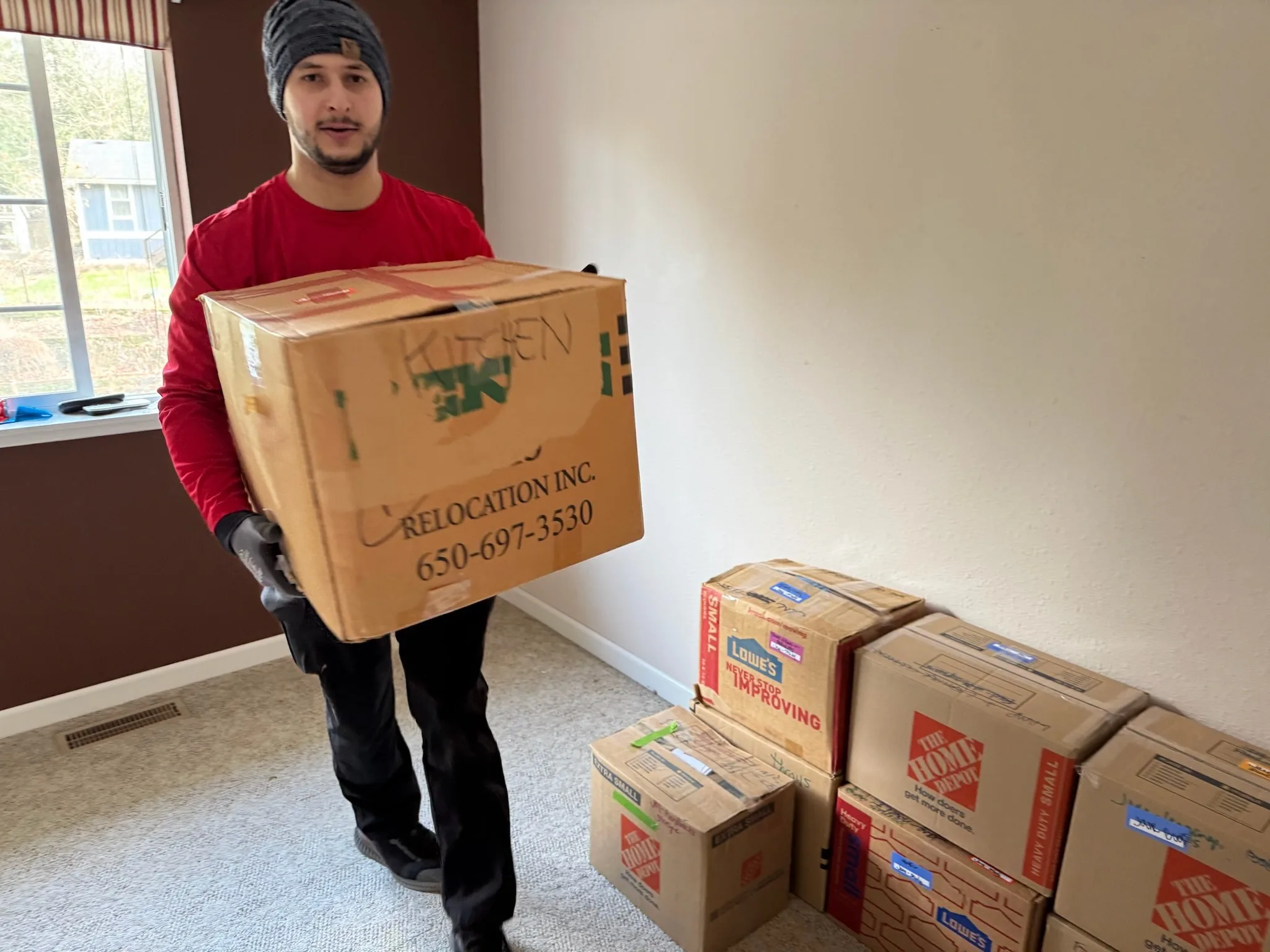


Get a Quick Quote
Ready to schedule your move? Fill out this form to get a quick moving quote:
Moving Resources
Moving to Bremerton, WA
Local Move Costs in Kitsap County
Moving to Silverdale: A Local Guide to Central Kitsap
Full-Service Movers vs. PODS vs. Rental Truck
Moving to Bainbridge Island: A Local Guide
Moving to Gig Harbor, WA: A Local Relocation Guide
How Much Should You Save Before an Out-of-State Move?
How to Handle Parking and Access on Moving Day (Without Getting Towed)
The Professional’s Guide to Packing Fragile Items for a Safe Move
The Packing Order That Prevents Unpacking Chaos
Pro Moving Services
Serving Western Washington Local Moves
- Kitsap County
- Allyn
- Bainbridge Island
- Belfair
- Bremerton
- Brownsville
- Edmonds
- Gig Harbor
- Gorst
- Grapeview
- Hansville
- Holly
- Indianola
- Keyport
- Kingston
- Port Angeles
- Port Gamble
- Port Ludlow
- Port Orchard
- Port Townsend
- Poulsbo
- Seabeck
- Shelton
- Silverdale
- Southworth
- Sequim
- Suquamish
- Tacoma
- Tracyton
- Union
- Seattle