


The Packing Order That Prevents Unpacking Chaos
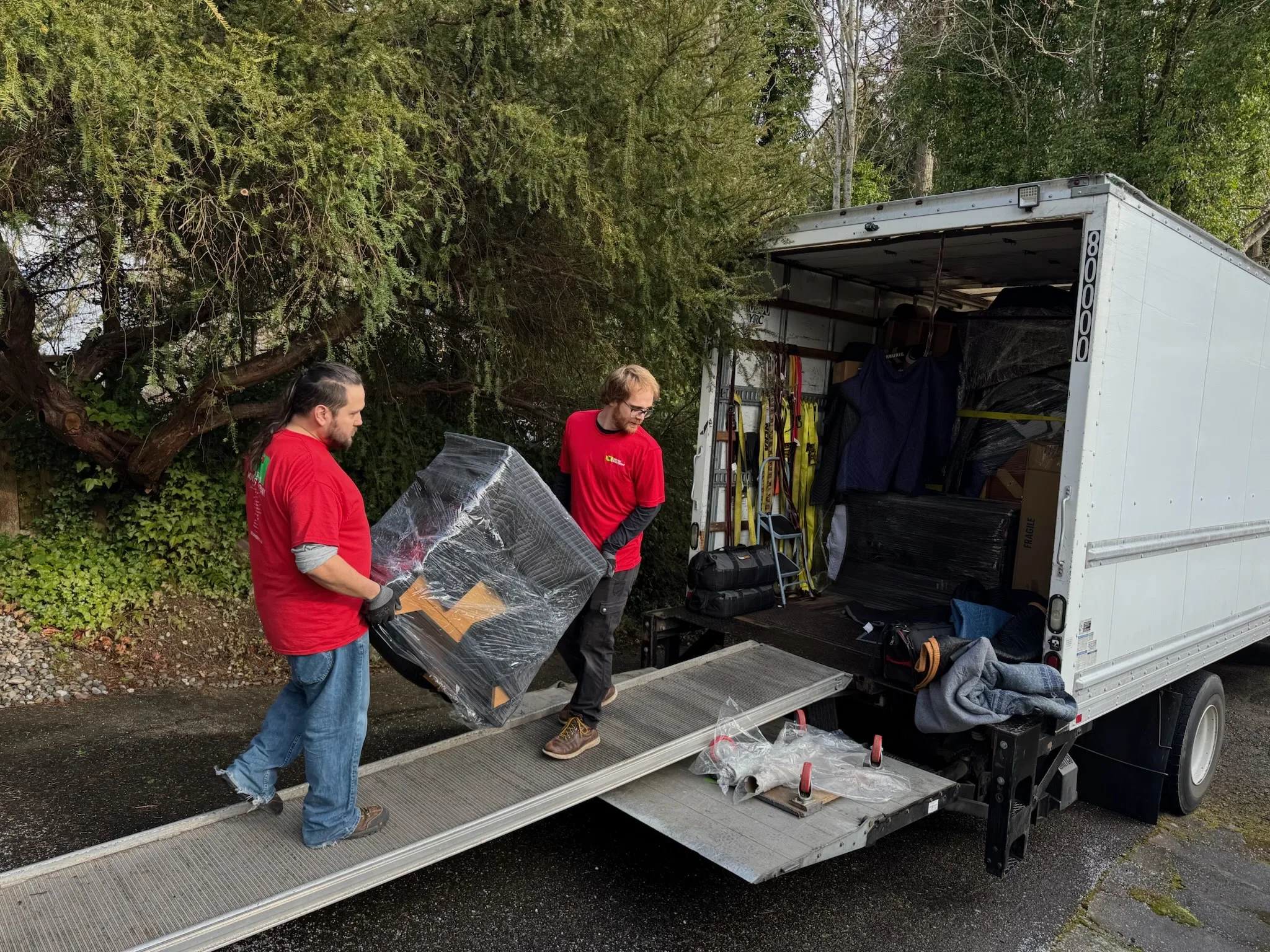
The first morning in your new home arrives. You desperately need coffee, your toothbrush, and a phone charger, but they’re buried somewhere in a mountain of identical cardboard boxes. This frantic search is a classic moving day experience, and it happens for one reason: most people pack based on what they see, not on what they’ll need when they arrive. Packing isn’t just about getting items into boxes; it’s a process designed to make unpacking easier. The secret lies in packing in the right order.
Insight from Our Team:
“The most common thing we see on moving day is clients who are not fully ready. Not because they have not packed, but because they packed the wrong things first. We show up, and someone is looking for their phone charger or their kid’s medication because it got buried three days ago. We always tell people: the last thing you pack should be the first thing you need when you get there.”
Chris Ortiz – Moving Logistics Coordinator
First, Tackle the Non-Essentials
The best way to begin is by packing the items you are least likely to need in the weeks leading up to your move. This step is about building momentum without disrupting your daily life. By getting these items boxed up early, you clear space and reduce the amount of work left for the final, hectic days.
Start with things like:
- Seasonal clothing and holiday decorations
- Books, photo albums, and collectibles
- Items stored in the attic, garage, or basement
- Guest room linens and decor
- Rarely used kitchen gadgets and formal dinnerware
Because none of these items factor into your daily life in the weeks before a move, they’re the natural place to start. You won’t risk having to dig them back out, and your routine stays completely intact.
Focus on One Area at a Time
Have you ever tried packing a little from the kitchen, then a little from the bedroom, and then a few things from the office? This scattered approach is a recipe for disorganized boxes and a confusing unpacking process. Instead, commit to packing one room or one category of items at a time. Finish the office before you start on the living room. This method ensures that similar items stay together, making it far easier to set up your new home room by room. Grouping items logically now will save you hours of sorting later.
Label Boxes for Your Future Self
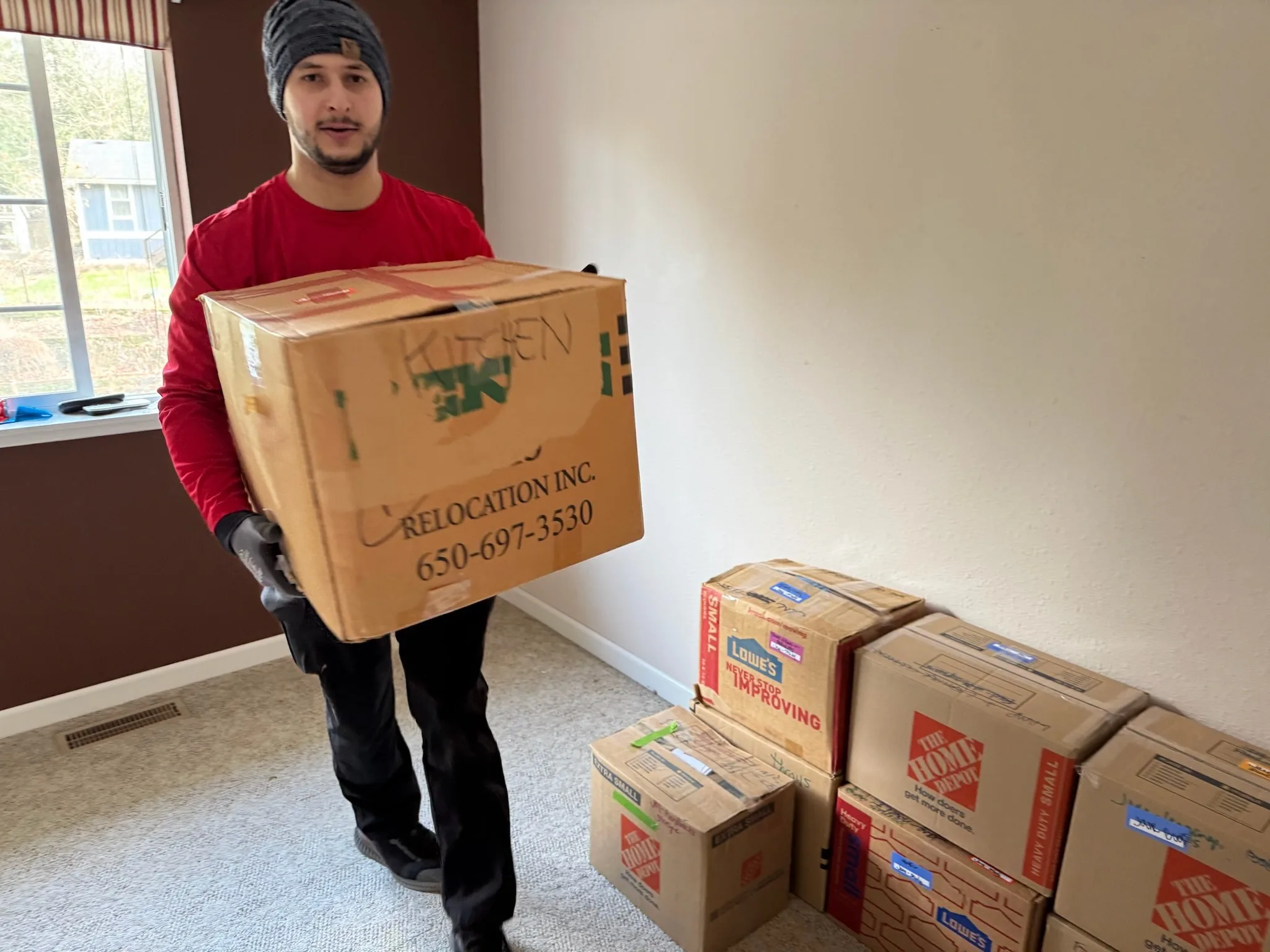
Vague labels are almost as unhelpful as no labels at all. A box simply marked “Kitchen” could contain anything from your daily coffee mugs to the turkey baster you use once a year. When you label your boxes, think about the person who will be unpacking them: your future, tired self.
Instead of writing “Bedroom,” be more specific:
- “Main Bedroom – Nightstand Items and Lamps”
- “Kitchen – Everyday Dishes and Silverware”
- “Bathroom – Daily Use Toiletries”
This level of detail turns unpacking from a guessing game into a clear, step-by-step process. You’ll know exactly which boxes to open first to make your new space functional right away.
Next, Pack Medium-Use Possessions
With the non-essentials out of the way, you can move on to the items you use occasionally but can live without for a week or two. This is the perfect task for the final days before your move. Think about things you use, but not every single day.
This category often includes:
- Extra sets of towels and linens
- Small appliances you don’t use daily (like a blender or stand mixer)
- Most of your clothing and shoes
- Office supplies and decorative items
By packing these items closer to moving day, you ensure you have what you need until the final moments in your old home.
Save Your Daily Essentials for the Very End
The last things you pack should be the items you use every single day. These are the things you will need immediately upon arriving at your new home. This typically includes toiletries, medications, phone chargers, basic kitchen tools, and a couple of changes of clothes for each family member. These items should be packed on the night before or the morning of the move and kept separate from everything else so they are easily accessible.
Create a Day-One “Open First” Box
This is arguably the most important box you will pack. It’s your survival kit for the first 24 hours in your new home. An “Open First” box prevents you from having to tear open multiple boxes just to find a roll of toilet paper or a snack.
Your “Open First” box should contain:
- Basic cleaning supplies and paper towels
- Toilet paper
- A box cutter and a simple toolkit (screwdriver, wrench)
- Phone and laptop chargers
- Essential medications
- Snacks, bottled water, and instant coffee
- Trash bags
Keep this box with you in your car or have your movers place it in a central, easy-to-find location like the kitchen counter. It’s the key to a comfortable and functional first night.
Keep All Important Documents with You
Some items should never be packed in a moving box. Critical documents, valuables, and personal items should be kept with you at all times during the move. Create a designated “Do Not Pack” or “Keep With Me” pile in a separate room or area. This ensures that nothing essential gets accidentally loaded onto the truck.
Set these items aside:
- Passports, birth certificates, and social security cards
- Keys, wallets, and phones
- Prescription medications
- Jewelry and other small valuables
- Moving-related paperwork
Transport these critical items in your personal vehicle for complete peace of mind.
Conclusion
The chaos of unpacking is almost always a result of a disorganized packing process. Vague labels, mixing unrelated items, and burying essentials are mistakes that only become apparent once you’re standing in your new, empty home. Packing in the right order transforms the entire experience. By packing in a logical order, you’re not just preparing for the move; you’re setting yourself up for a much easier start in your new space. Remember the simple rule: start with what you don’t need, and end with what you can’t live without.
Frequently Asked Questions About Packing for a Move
How early should I start packing for a move?
Start packing non-essential items 4 to 6 weeks before your move date. Seasonal clothing, books, collectibles, and rarely used items can be boxed up well in advance. As you get closer to moving day, shift to medium-use items and save your daily essentials for the very last day.
What is the most important box to pack for moving day?
Your Open First box is the most important thing you will pack. It should contain everything you need for the first 24 hours in your new home: chargers, toiletries, medications, basic cleaning supplies, snacks, and a simple toolkit. Keep it in your car or have movers place it somewhere you can find it immediately.
Should I pack by room or by category?
Packing room by room is the most practical approach for most moves. It keeps similar items together, makes labeling easier, and means movers can place boxes directly in the right rooms. Packing by category works well for things like clothing or books, but mixing items from multiple rooms in the same box creates confusion when you unpack.
What should I never put in a moving box?
Important documents, medications, valuables, and anything you will need on moving day should never go on the truck. Keep passports, birth certificates, financial documents, keys, and prescription medications with you in your personal vehicle at all times.
Let Us Help You Get Organized
Whether you are moving within Kitsap County, out to Bainbridge Island, or into the greater Seattle area, Suseyi Pro Moving can help you pack and prepare with our professional packing services. Reach out today to get started.



Get a Quick Quote
Ready to schedule your move? Fill out this form to get a quick moving quote:
Moving Resources
Moving to Bremerton, WA
Local Move Costs in Kitsap County
Moving to Silverdale: A Local Guide to Central Kitsap
Full-Service Movers vs. PODS vs. Rental Truck
Moving to Bainbridge Island: A Local Guide
Moving to Gig Harbor, WA: A Local Relocation Guide
How Much Should You Save Before an Out-of-State Move?
How to Handle Parking and Access on Moving Day (Without Getting Towed)
The Professional’s Guide to Packing Fragile Items for a Safe Move
The Packing Order That Prevents Unpacking Chaos
Pro Moving Services
Serving Western Washington Local Moves
- Kitsap County
- Allyn
- Bainbridge Island
- Belfair
- Bremerton
- Brownsville
- Edmonds
- Gig Harbor
- Gorst
- Grapeview
- Hansville
- Holly
- Indianola
- Keyport
- Kingston
- Port Angeles
- Port Gamble
- Port Ludlow
- Port Orchard
- Port Townsend
- Poulsbo
- Seabeck
- Shelton
- Silverdale
- Southworth
- Sequim
- Suquamish
- Tacoma
- Tracyton
- Union
- Seattle