



How to Handle Parking and Access on Moving Day (Without Getting Towed)
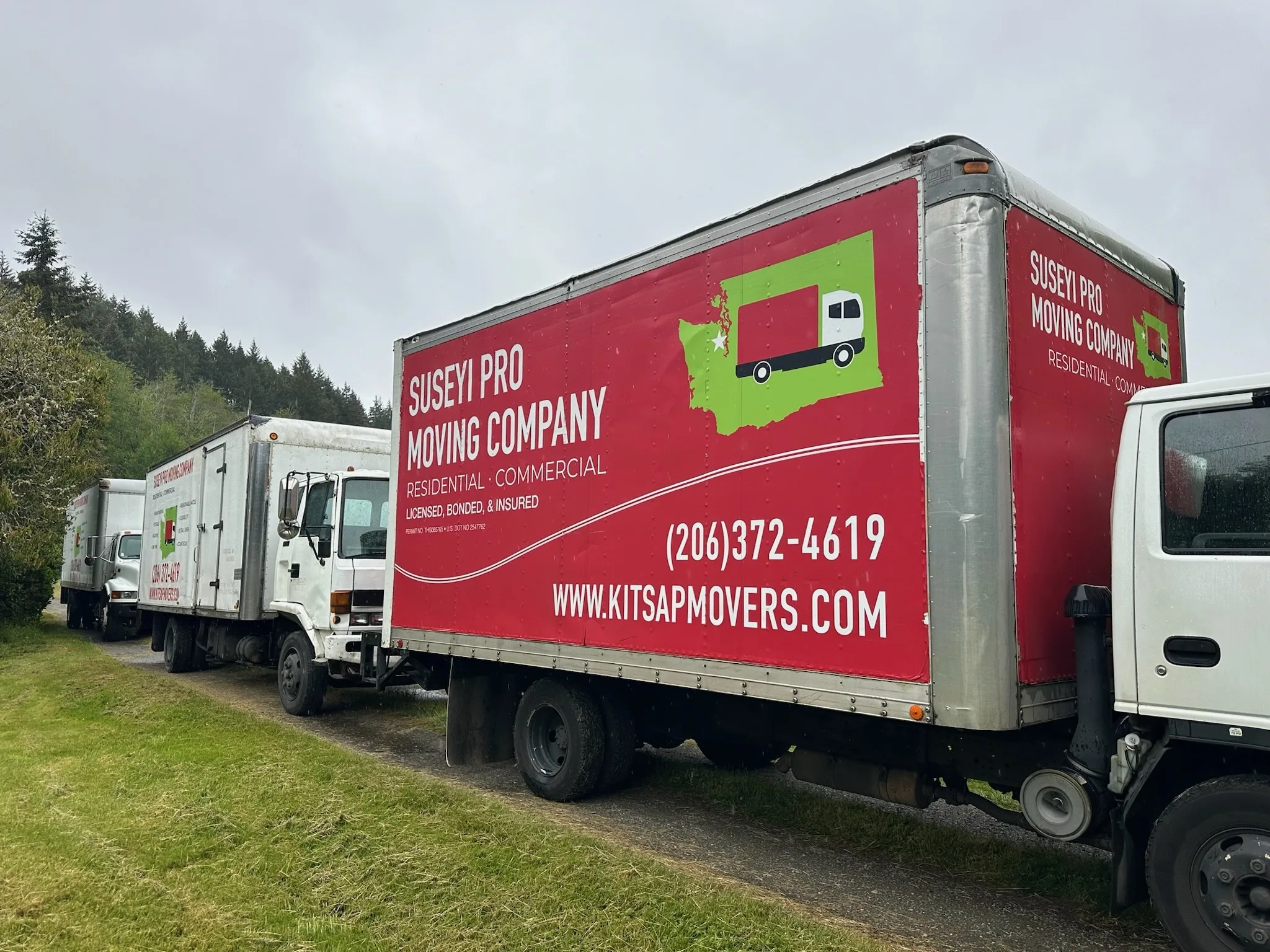
Most people spend weeks planning what they are going to move. Very few spend enough time planning where the moving truck will park. This single oversight is one of the most common reasons a smooth-moving day turns into a stressful, prolonged, and expensive ordeal. A truck parked too far away, a missing permit leading to a hefty ticket, or a blocked loading zone can add hours of labor and frustration to your move.
Fortunately, nearly all parking and access issues are preventable. The key is to treat truck placement and building entry with the same importance as packing your boxes. This guide will walk you through the essential steps to secure a seamless path from the street to your new front door.
Why Truck Access Is a Bigger Deal Than You Think
The distance between the moving truck and your home or apartment’s entrance directly affects the overall efficiency and cost of the move. Carrying items a long distance from the truck, often called a “long carry,” adds significant time and effort to the job. What seems like a small inconvenience can have major consequences.
Poor access planning often leads to:
- Longer Moving Times: More steps equal more time on the clock. A long carry can easily add an hour or more to your move.
- Higher Labor Costs: Since local moves are typically billed by the hour, increased time means a higher final bill.
- Increased Risk of Damage: The more time items spend being carried and the more obstacles navigated, the higher the chance of accidental scuffs, dings, or drops.
- Parking Tickets or Towing: Illegally parking a large truck, even for a “few minutes,” can result in expensive fines or having the vehicle towed, bringing your move to a grinding halt.
Simply put, securing the closest, safest, and most direct access for the moving truck is one of the best investments you can make for a successful move.
A Proactive Plan for Seamless Access
Waiting until moving day to figure out parking invites problems, especially in dense areas like Seattle or in apartment complexes with strict rules. A proactive approach weeks in advance is the professional strategy.
Research Local Rules and Building Policies Early
The first step is to become an expert on your location’s specific requirements. Do not assume anything.
- For City Streets: Check the official city website (like the Seattle Department of Transportation) for information on “Temporary No Parking Zone” permits. These permits allow you to reserve a specific section of the curb.
- For Apartments and Condos: Contact your building manager or HOA at least three to four weeks before your move. Ask about designated loading zones, service elevator reservations, and any “move-in/move-out” fees or time restrictions. Get all confirmations in writing.
- For Neighborhoods: Be aware of any HOA rules that might restrict the size of trucks or the hours that moves can be performed.
Insight from Our Team
“Parking comes up on almost every city job we do. Clients always say it will work out on the day. Then we get there, and someone is parked in the loading zone, or the freight elevator only runs until 11, and it is already 10:30. We had one job where we spent 45 minutes just waiting for a spot to clear, and that time is not free; the client is paying hourly. A ten-minute call to your building manager two weeks out fixes almost all of it. It is one of those things that feels small until it is not.”
Chris Ortiz – Moving Logistics Coordinator
Secure Permits and Reservations Well in Advance
Once you know the rules, take action immediately.
- Applying for a Permit: If you need a city permit, apply as early as possible. Processing can sometimes take a week or more. You will need to provide the exact date, time window, and length of curb space required.
- Reserving Loading Docks and Elevators: For managed buildings, book your time slot the moment you know your moving date. These resources are often first-come, first-served and can get booked up quickly, especially at the end of the month.
Create a Backup Plan (and a Backup for the Backup)
Even the best-laid plans can go awry. What will you do if another vehicle is parked in your permitted spot or construction blocks your primary access route?
- Identify a Secondary Parking Option: Before moving day, walk the area and find the next-best legal parking spot. Know where it is and what challenges it might present.
- Keep Contact Information Handy: Have the phone numbers for your building manager, the city’s parking enforcement, and your moving company saved in your phone. If a car is parked illegally in your reserved spot, you’ll need to call for enforcement to have it ticketed or towed.
Final Checks Before Moving Day
A few days before your move, take a moment to reconfirm all your arrangements. A quick call or email can prevent a major headache.
Reconfirm the following:
- Your moving truck parking permit is approved, and you have the signs to post.
- Your loading zone and elevator reservations are still in the building’s schedule.
- You have shared all access codes and instructions with your moving team.
- A friendly heads-up to your immediate neighbors can also help, ensuring they are aware of the truck’s arrival and can keep the area clear.
Taking these steps transforms parking from a potential disaster into a well-managed part of your moving plan.
Conclusion
Moving day parking rarely makes it onto the planning checklist, but it belongs near the top. The distance between the truck and your door, the permit you did or didn’t pull, the elevator slot you did or didn’t reserve, none of it feels urgent until it’s the reason your move runs three hours over schedule. Getting ahead of these details takes a few phone calls and a little foresight. That investment pays off on the day it matters most.
Let the Professionals Handle the Logistics
Feeling overwhelmed by the rules for permits, parking, and building access in Port Orchard, Edmonds, or Seattle? This is a logistical challenge that professional movers handle every single day. Our team at Suseyi Pro Moving understands the local regulations and has experience coordinating with building managers across the region. Reach out today, and we’ll help you plan for a move that is efficient, organized, and free of unnecessary headaches.
Frequently Asked Questions About Parking Access
Do I need a permit to park a moving truck on a city street in Seattle?
In most cases, yes. If you need to reserve curb space in front of your home or building, you will need to apply for a Temporary No Parking Zone permit through the Seattle Department of Transportation. Processing can take a week or more, so apply as early as possible. Without a permit, you risk your movers having to park far from your entrance, which adds time and cost to the job.
How far in advance should I reserve a loading dock or freight elevator?
Book it the moment you have a confirmed moving date. In managed apartment and condo buildings, loading docks and freight elevators are often first-come, first-served, and the most popular days at the end of the month can fill up weeks out. Waiting until the week before your move is a common mistake that leads to scheduling conflicts and added stress.
What do I do if someone is parked in my reserved moving spot on moving day?
Have the contact information for both your building manager and the city’s parking enforcement saved in your phone before moving day. A building manager can sometimes resolve the issue quickly, especially in a managed property. If the vehicle is on a public street in a properly permitted zone, parking enforcement can issue a citation and arrange for towing if necessary. This is exactly why having a backup parking location identified in advance is a good idea.
Can my moving company handle the parking and access coordination for me?
A good moving company will walk you through what is needed and flag any access concerns when you book. They can advise on permit requirements, truck sizing, and building restrictions based on their experience in your area. However, permits and building reservations ultimately need to be secured by you, since they require the property owner or resident to apply. Your movers can guide the process, but the logistics still rest with you.


Get a Quick Quote
Ready to schedule your move? Fill out this form to get a quick moving quote:
Moving Resources
Moving to Bremerton, WA
Local Move Costs in Kitsap County
Moving to Silverdale: A Local Guide to Central Kitsap
Full-Service Movers vs. PODS vs. Rental Truck
Moving to Bainbridge Island: A Local Guide
Moving to Gig Harbor, WA: A Local Relocation Guide
How Much Should You Save Before an Out-of-State Move?
How to Handle Parking and Access on Moving Day (Without Getting Towed)
The Professional’s Guide to Packing Fragile Items for a Safe Move
The Packing Order That Prevents Unpacking Chaos
Pro Moving Services
Serving Western Washington Local Moves
- Kitsap County
- Allyn
- Bainbridge Island
- Belfair
- Bremerton
- Brownsville
- Edmonds
- Gig Harbor
- Gorst
- Grapeview
- Hansville
- Holly
- Indianola
- Keyport
- Kingston
- Port Angeles
- Port Gamble
- Port Ludlow
- Port Orchard
- Port Townsend
- Poulsbo
- Seabeck
- Shelton
- Silverdale
- Southworth
- Sequim
- Suquamish
- Tacoma
- Tracyton
- Union
- Seattle







&media=https://kitsapmovers.com/wp-content/uploads/2026/03/IMG_3709-1024x768.webp)