


How to Plan a Move When You Don’t Control the Schedule
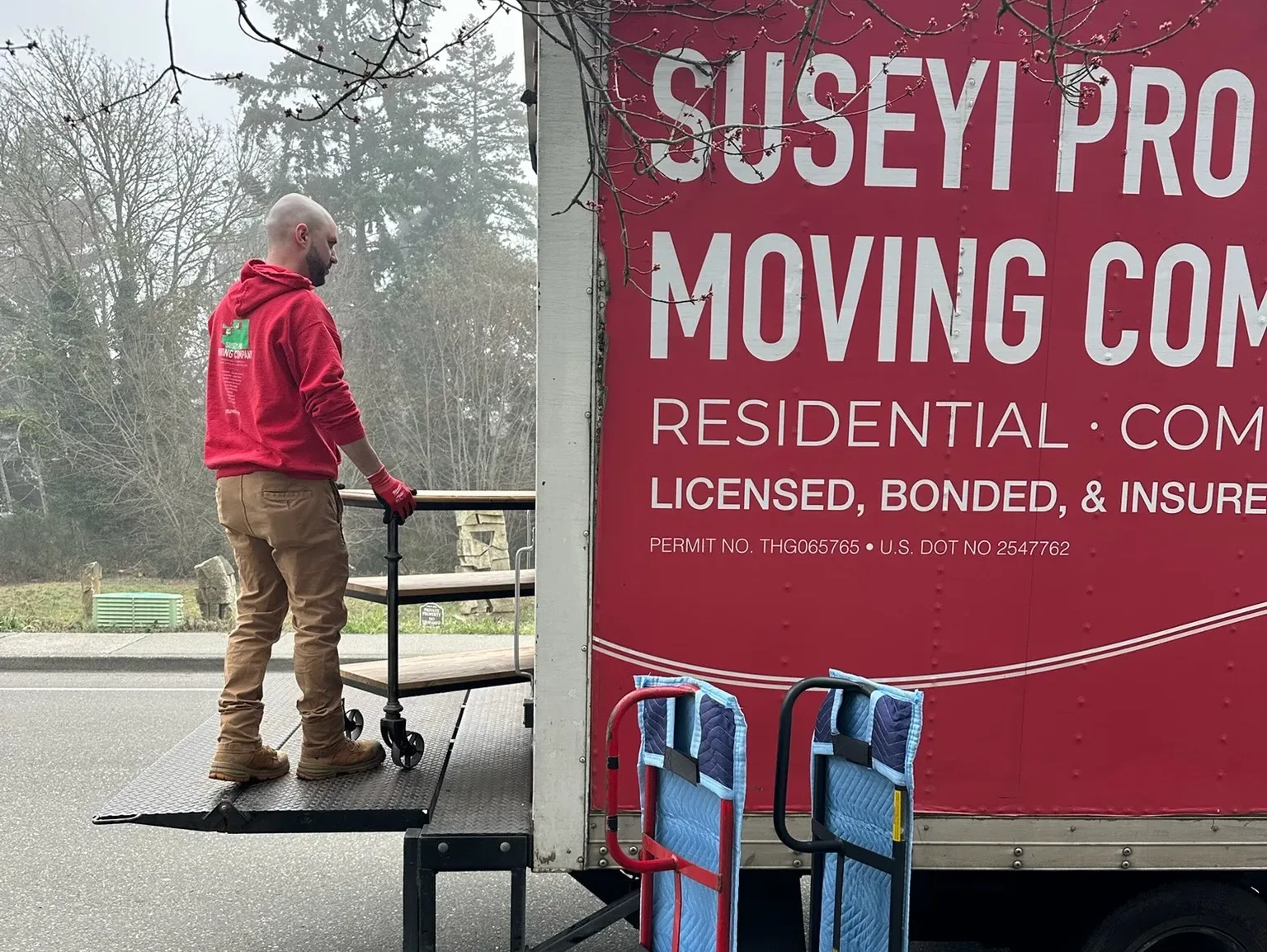
Some moves don’t happen on your schedule. If you’re relocating from an apartment or a managed building in Seattle or Kitsap County, you’re likely working within a rigid framework of rules: limited elevator access, narrow time windows, strict quiet hours, and other building restrictions. This lack of control is often the biggest source of stress and delays on moving day. The secret to a smooth transition isn’t trying to bend the rules; it’s building a solid plan that works within them. This guide walks you through how to navigate those constraints and keep your day on track.
Your First Step: Master the Building’s Rulebook
Before you rent a truck or pack a single box, your first call should be to your building’s management. Every other decision you make will depend on their specific policies, and making assumptions is the fastest way to derail your move. You need to know exactly what you’re working with.
Most managed properties have clear policies regarding:
- Designated Move-in/Move-out Hours: The specific times you are allowed to move.
- Elevator Reservations: Whether you need to book a service elevator, and for how long.
- Parking Restrictions: Where a moving truck can and cannot park.
- Insurance Requirements: If your movers need to provide a Certificate of Insurance (COI).
- Weekend or Weekday Limitations: Some buildings prohibit weekend moves entirely.
Make sure you contact building management early and request a copy of all moving policies in writing. Confirm the allowed time windows and ask about any penalties for going over your allotted time. Always verify the rules directly; never rely on secondhand information.
Secure Your Slot: The Early Bird Gets the Elevator
In apartment buildings, available moving times are often limited and booked on a first-come, first-served basis. If you delay reserving your date and time, you risk finding that all the convenient slots are taken. This could force you into an awkward time, like a weekday afternoon, making your move rushed and far more complicated.
As soon as you know your move-out date, contact management to reserve your time. Confirm the exact start and end times and clarify how strict the cutoff is. Your entire moving day strategy will revolve around this specific window, so locking it in early is one of the most important steps you can take.
Insight from Our Team:
“The moves that go sideways are almost always in buildings where nobody called ahead. No elevator reservation, no loading zone confirmed, no idea about the time cutoff. We show up ready to go and spend the first hour figuring out the rules. When a client has already done that legwork before we get there, the whole job runs cleaner. We know exactly what we are working with, and we can plan every load around it.”
Chris Ortiz – Moving Logistics Coordinator
Reverse-Engineer Your Moving Day for Success
Once you have your time slot, it’s time to plan backward. Instead of thinking, “When should we start loading the truck?” you should be asking, “What must be done for the truck to be empty and gone before my time window ends?”
Start with your hard deadline (e.g., 4:00 PM) and work in reverse. Account for every step of the process:
- Unloading time at the new location
- Travel time between buildings
- Potential elevator wait times
- Loading time at your current apartment
- Final walkthrough and cleanup
Always build in a buffer for unexpected delays like traffic or a slow elevator. If your window ends at 4:00 PM, your goal should be to have the move finished by 3:00 PM, not just wrapping up. This approach prevents the last-minute panic that comes with a ticking clock.
Navigating Key Logistical Hurdles
A successful time-restricted move means planning for the most common bottlenecks: elevators, parking, and noise.
Conquering the Elevator Bottleneck
The service elevator is often the single biggest constraint in an apartment move. A single delay can consume your entire time slot. You need a clear plan to maximize its efficiency. If required, reserve it well in advance. Before moving day, measure the interior dimensions of the elevator to ensure your largest furniture fits. Plan your loads strategically to minimize the number of trips, grouping items by size and destination.
Securing Parking and Access
Your reserved move-in time doesn’t always guarantee a reserved parking spot. Ask building management about designated loading zones or the process for obtaining a temporary street parking permit. If possible, reserve a space as close to the entrance as you can. Remember, the farther the carry distance from the truck to the door, the more time your move will take.
Respecting Quiet Hours and Building Restrictions
Many buildings enforce quiet hours in the mornings, evenings, and on weekends. This can impact your ability to start early or finish late. Confirm these times with management and schedule your noisiest tasks, like moving heavy furniture, within the approved hours. Ignoring these rules can lead to complaints and could even get your move stopped by building staff.
The Two Most Critical Pre-Move Tasks
If you only do two things to prepare, make them these. They are non-negotiable for a move on a tight schedule.
1. Be Fully Packed and Ready Before Go-Time
Your reserved time window is for moving, not for last-minute packing. If your movers arrive and you’re still throwing things in boxes, you are already behind schedule. Aim to have every single box packed, sealed, and labeled the day before the move. Clear pathways from each room to the front door so the crew can work quickly and safely.
2. Prepare for the “What If” Scenario
What happens if you run out of time? It’s a question most people ignore, but having an answer reduces stress immensely. Ask management about their policy for time overages. Do they charge a fee? Will you lose elevator access abruptly? Have a backup plan. This could mean prioritizing essential items first, so if time runs out, you at least have your bed and daily necessities.
Conclusion
When you don’t control the schedule, your preparation becomes everything. A limited time window doesn’t have to result in a stressful, chaotic day. By understanding the rules, planning backward from your deadline, and preparing for common obstacles like elevators and parking, you can run a clean, well-timed move. The more you plan around the restrictions instead of fighting against them, the better your move will go.
Frequently Asked Questions About Apartment Moves with Building Rules
Do I need to reserve a service elevator before my apartment move?
Yes, and you should do it as early as possible. Most managed buildings require elevator reservations for moves, and available windows fill up fast. Waiting too long can push you into an inconvenient time slot or leave you competing with other residents on moving day.
What happens if my move runs over the building’s allotted time window?
Depending on the building, going over your time window can result in fees, loss of elevator access, or complaints from neighbors. The best way to avoid it is to plan backward from your cutoff time, build in at least an hour of buffer, and make sure every box is packed and ready before your movers arrive.
How do I handle a move when both my old and new buildings have separate time restrictions?
This is one of the most complex apartment move scenarios. You are coordinating two separate sets of rules, two elevator windows, and two loading zones on the same day. Map out both buildings’ policies before you book anything, confirm that the time windows are compatible, and work with your moving crew to sequence the day so you meet both deadlines without rushing.
What should I do if my building requires movers to carry insurance?
Request a Certificate of Insurance from your moving company before moving day and submit it to your building management as early as required. Professional moving companies carry the necessary coverage and can provide documentation quickly. Waiting until the day of the move to handle this can delay your start time or get your move shut down entirely.
Need Help with a Tight Schedule?
Whether you are moving into or out of a managed building in Kitsap County or the greater Seattle area, Suseyi Pro Moving knows how to work within the rules. We handle the elevator reservations, the loading zone coordination, and the timing so your move fits the window. Reach out today to get started.




Get a Quick Quote
Ready to schedule your move? Fill out this form to get a quick moving quote:
Moving Resources
Moving to Bremerton, WA
Local Move Costs in Kitsap County
Moving to Silverdale: A Local Guide to Central Kitsap
Full-Service Movers vs. PODS vs. Rental Truck
Moving to Bainbridge Island: A Local Guide
Moving to Gig Harbor, WA: A Local Relocation Guide
How Much Should You Save Before an Out-of-State Move?
How to Handle Parking and Access on Moving Day (Without Getting Towed)
The Professional’s Guide to Packing Fragile Items for a Safe Move
The Packing Order That Prevents Unpacking Chaos
Pro Moving Services
Serving Western Washington Local Moves
- Kitsap County
- Allyn
- Bainbridge Island
- Belfair
- Bremerton
- Brownsville
- Edmonds
- Gig Harbor
- Gorst
- Grapeview
- Hansville
- Holly
- Indianola
- Keyport
- Kingston
- Port Angeles
- Port Gamble
- Port Ludlow
- Port Orchard
- Port Townsend
- Poulsbo
- Seabeck
- Shelton
- Silverdale
- Southworth
- Sequim
- Suquamish
- Tacoma
- Tracyton
- Union
- Seattle